



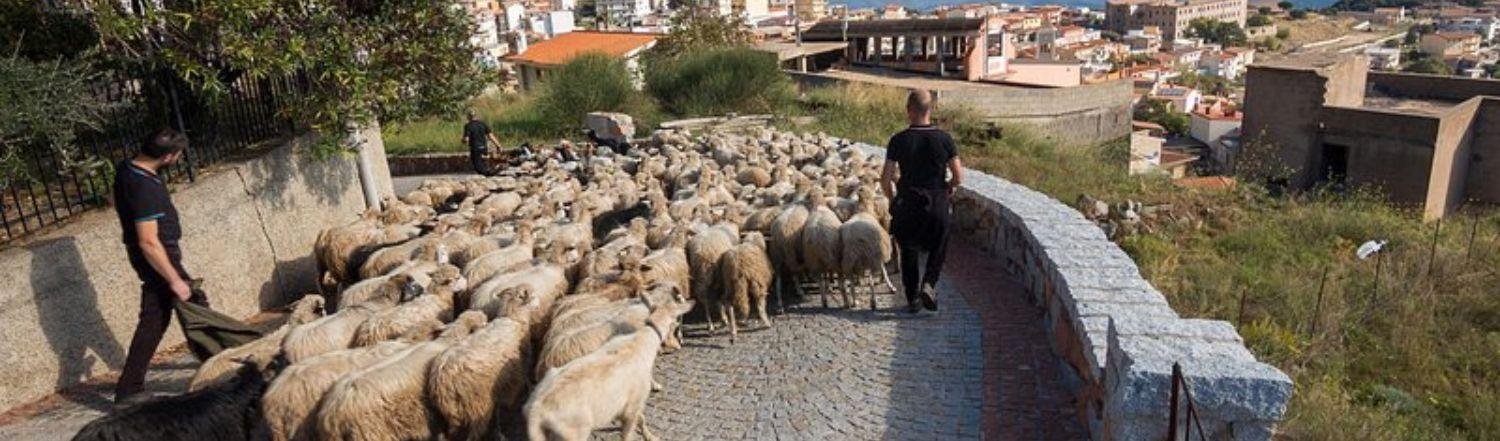
Transhumance on 16 October 2027
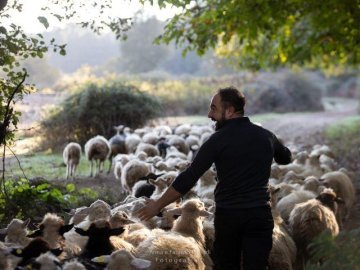
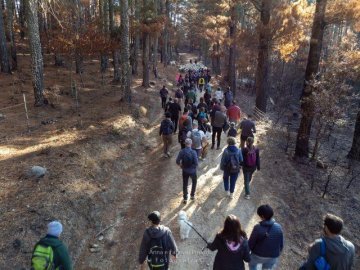
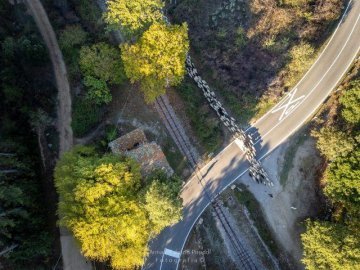
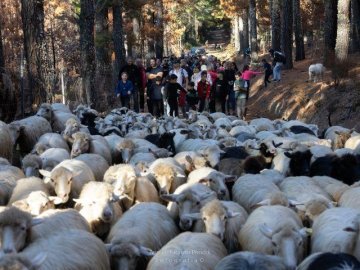
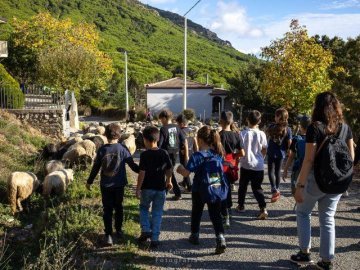
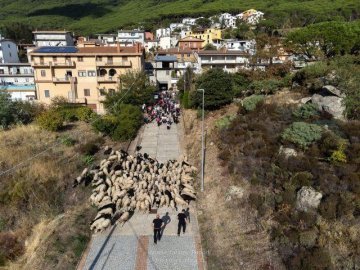
Experience a centuries-old Sardinian tradition first-hand and join the shepherds of Agriturismo Sa Ferrela near Arzana on their traditional transhumance. Together with the shepherds and their animals, you will make your way through the impressive mountain landscape of the Gennargentu range. Along the way, you will gain an authentic insight into the lives of Sardinian shepherds, their daily work and the special bond between people, animals and nature.
Transhumance, the traditional seasonal movement of livestock between grazing areas, has been an integral part of Sardinian shepherding culture for generations. A truly special experience that allows you to discover Sardinia's age-old traditions and explore the mountain landscapes of Ogliastra from a completely different perspective.
Good to know:
• Start time: 8:00 am
• Languages spoken: Italian and English
• Route: approx. 12 km through the forests between the mountains and the village, ending at Agriturismo Sa Ferrela
• Duration: approx. 3 hours (difficulty level: easy)
• Suitable for: adults and families with children
• Included in the excursion: transhumance, lunch
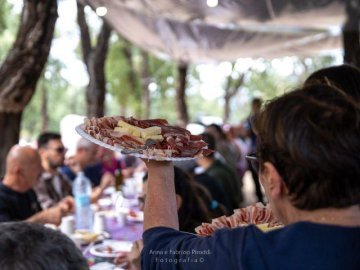
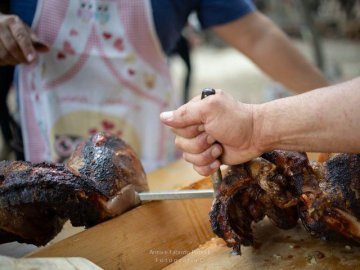
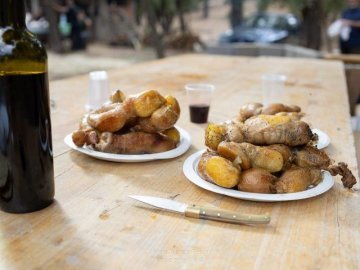
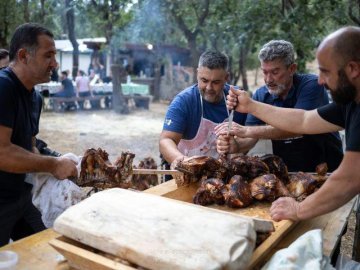
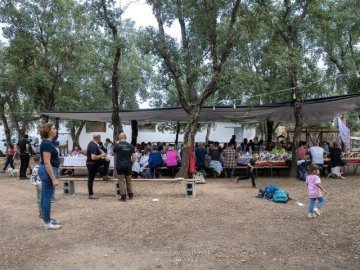
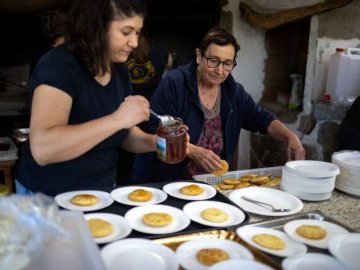
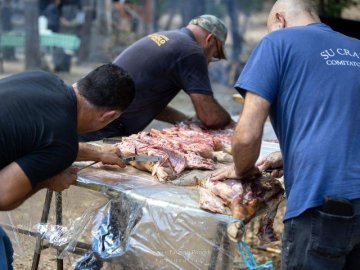
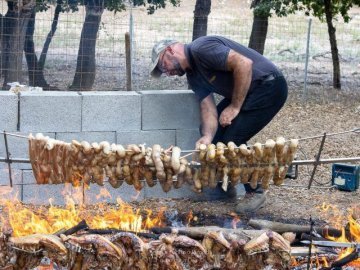
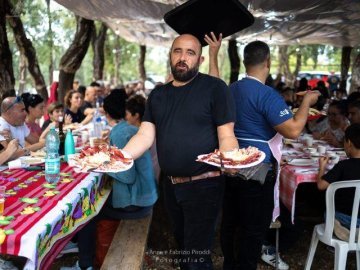
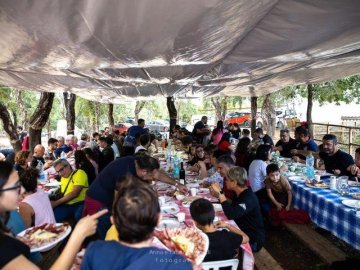
• Lunch: a convivial lunch (pranzo conviviale) shared at the farm, accompanied by traditional music, Sardinian dancing and farm-produced specialities
• Additional costs on site: none
• What to bring: comfortable clothing suitable for the season
Transhumance
Transhumance is one of Sardinia’s oldest and most fascinating traditions and has been closely connected to the island’s history, culture and way of life for centuries. The term refers to the seasonal movement between grazing areas, during which shepherds accompany their flocks of sheep, goats or cattle between different altitudes and regions. They follow the natural rhythm of the seasons and changing climatic conditions to ensure their animals have sufficient food and suitable pastures throughout the year. Traditionally, in autumn, when temperatures in the mountains begin to drop and the first cold days arrive, shepherds move down from the higher areas of the Gennargentu mountains and Barbagia towards the milder valleys and coastal regions. There, the animals spend the winter months grazing on lower-lying pastures. In spring, as temperatures rise and fresh grass begins to grow again in the mountains, the shepherds set off with their flocks to return to the higher regions. Depending on the starting point and grazing destination, these journeys can cover several dozen kilometres.
In the past, these migrations were an established part of the annual cycle for many Sardinian shepherding families. Entire flocks travelled along ancient shepherds’ paths, through forests, across plateaus and past natural water sources. These routes had been known for generations and required extensive knowledge of the landscape, weather, vegetation and animals’ needs. Shepherds were often on the move for several days or even weeks. During this time, they lived alongside their animals and organised their daily routines entirely around the needs of the flock. Transhumance was therefore much more than a simple change of pasture. It shaped the social and economic life of entire villages. Shepherding families sometimes spent several months away from their home villages, developing a special bond with their animals and the natural environment. Encounters with other shepherds, the exchange of experiences and the passing down of traditional knowledge from one generation to the next were also essential parts of this way of life. Sardinia’s shepherding culture has also had a significant influence on the island’s culinary traditions. Sheep and goat farming remains the foundation of many typical specialities, including the famous Pecorino Sardo, fresh ricotta and a variety of regional cheeses. Many traditional production methods are still preserved and practised by small farms and family-run businesses.
During the 20th century, transhumance changed as agriculture became more modernised and transport vehicles were increasingly used. Long journeys on foot became less common in many areas or were replaced by shorter seasonal movements between grazing grounds. Nevertheless, the tradition is still practised in some parts of Sardinia and is increasingly recognised as an important part of the island’s cultural heritage. Its significance has also been acknowledged internationally: in 2019, transhumance was added to UNESCO’s Representative List of the Intangible Cultural Heritage of Humanity. This recognition celebrates not only the migrations themselves, but also the knowledge passed down through generations, traditional skills and the special relationship between people, animals and nature.
Experiencing transhumance in Sardinia therefore means much more than simply accompanying a flock on its journey. It is a rare opportunity to discover the traditional way of life of Sardinian shepherds, learn about centuries-old customs and experience the island’s impressive mountain scenery from a very special perspective. An authentic experience that brings together Sardinia’s nature, culture and traditions in a truly unique way.


Experience traditional transhumance
Walk with shepherds in the Gennargentu
Discover Sardinian shepherding culture
Sardinian lunch included
Arzana: Transhumance with lunch
Reviews: 0